

Our Products
Disc Pigs
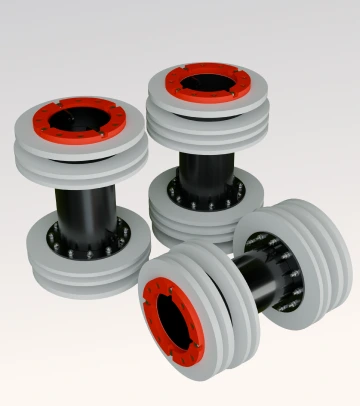
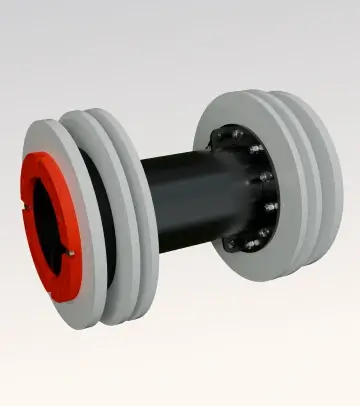
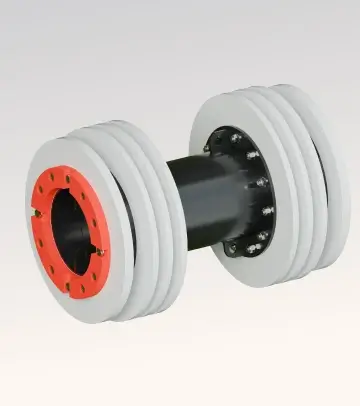
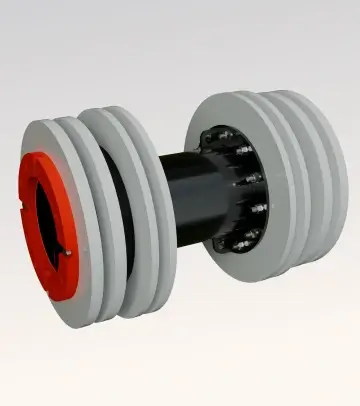
Disc pigs are vital tools in pipeline operations, designed for tasks such as cleaning, product separation, and occasionally, pipeline integrity checks. These devices consist of several flexible, durable discs, often made from polyurethane, that travel through pipelines, propelled by the fluid or gas within. While disc pigs are versatile and effective, they are not universally suitable for every pipeline system or condition.
Where Disc Pigs Are Effectively Used:
Pipeline Maintenance and Cleaning: Disc pigs are commonly used in maintenance to clean the interior of pipelines by scraping off deposits like debris, scale, wax, and other unwanted materials. As they move through the pipeline, the discs press against the walls, removing contaminants and keeping the pipeline’s flow capacity intact.
Product Separation in Multi-Product Pipelines: In pipelines that transport multiple products, such as crude oil and refined fuels, disc pigs are essential for separating different fluid batches. By traveling between products, they help to minimize mixing, ensuring product purity and reducing the need for costly refining processes.
Pipeline Drying and Dewatering: After hydrotesting (a process where water is used to test for leaks), pipelines must be thoroughly dried. Disc pigs are deployed to push out residual water and moisture. They are especially useful in gas pipelines, where any leftover water could cause corrosion or blockages.
Simple Inline Inspections: While not as advanced as “smart pigs,” some disc pigs are equipped with sensors to perform basic inspections during cleaning runs. These inspections can detect physical obstructions or small deformations, offering dual benefits for operators.
Long-Distance Straight Pipelines: Disc pigs excel in straight or gently curving pipelines, especially those used for transporting gases, crude oil, or liquid products over long distances. Their ability to maintain continuous contact with the pipe walls makes them highly efficient in these conditions.
Where Disc Pigs Are Not Suitable:
Pipelines with Complex Geometries or Tight Turns: Disc pigs face challenges in pipelines with intricate layouts, including sharp bends, twists, or sudden changes in direction. Their disc design, while flexible enough for some bends, can cause them to become lodged or stuck in pipelines with tight angles.
Multi-Diameter Pipelines: Disc pigs are typically designed to match the diameter of a specific pipeline. In systems with varying pipe diameters, the pig may lose its seal, leading to ineffective cleaning or product separation. This makes them unsuitable for pipelines with inconsistent diameters.
High-Pressure and Extreme Environments: In pipelines operating at very high pressures or under extreme temperature conditions, disc pigs may not perform as expected. The forces exerted in high-pressure pipelines could damage the pig, causing operational failure or reducing its lifespan, particularly if the materials used aren’t designed for such extremes.
Handling Corrosive or Highly Abrasive Fluids: Although disc pigs can withstand moderate wear and tear, pipelines carrying highly corrosive chemicals or abrasive particles (e.g., sand- laden fluids) may degrade the pig quickly. This not only shortens the pig’s life but may also reduce its cleaning effectiveness, leading to more frequent pig runs or equipment replacements.
Obstructions and Flow Restrictions: Disc pigs can face difficulties when navigating through pipelines with inline equipment such as valves, bends, or sharp reducers. In such environments, the pig can become stuck or lose its effectiveness, making it unsuitable for pipelines with frequent restrictions or mechanical obstacles.
In summary, Disc pigs play a crucial role in maintaining the efficiency and safety of pipeline operations, particularly for cleaning and product separation. However, their use is limited by certain pipeline features like complex layouts, multi-diameter sections, and environments involving high pressure or corrosive materials. For these situations, more specialized pigs or maintenance strategies may be required.