

Our Products
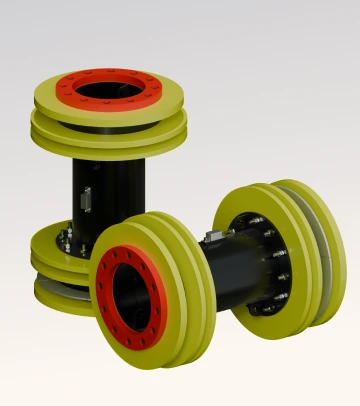
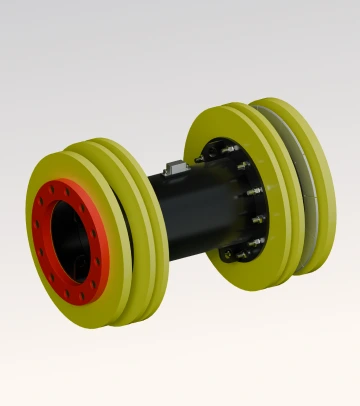
Disc Gauging Pigs
Disc gauging pigs are specialized devices used in pipelines to detect internal obstructions, dents, or deformations. Their primary purpose is to gauge the internal diameter of the pipeline and identify areas where the pipe has been damaged or constricted. These pigs consist of several discs, including a thin, flexible gauging disc that conforms to the pipe’s shape, making them an essential tool in pipeline maintenance and integrity assessments.
Where Disc Gauging Pigs Are Effectively Used:
Pipeline Integrity Verification: Disc gauging pigs are frequently used after the installation of new pipelines or following major repairs. They help verify that the pipeline has been installed correctly and that no significant internal deformities (such as dents or ovality) exist that could impact flow or increase the risk of failure.
Pre-Inspection Runs: Before running more advanced intelligent inspection pigs, such as magnetic or ultrasonic pigs, a disc gauging pig is often deployed. It ensures that the pipeline is free of major obstructions or constrictions that could damage the more sensitive inspection tools that follow.
Post-Construction or Maintenance Checks: After construction or any form of major pipeline maintenance, disc gauging pigs are used to check for internal abnormalities, such as deformations caused by welding or equipment handling during these activities.
Identifying Pipeline Obstructions: In older pipelines or those subjected to mechanical stress, gauging pigs help locate blockages or areas where the pipeline diameter has been reduced. These obstructions can be caused by corrosion, mechanical damage, or the buildup of foreign materials.
Safety and Regulatory Compliance: Disc gauging pigs are used to ensure compliance with safety regulations. Pipeline operators need to demonstrate that their pipelines are free from critical deformities that could lead to leaks or failures, and disc pigs provide a quick and effective way to meet these regulatory standards.
Where Disc Gauging Pigs Are Not Suitable:
Pipelines with Complex Layouts: Disc gauging pigs are not ideal for pipelines with multiple sharp bends or intricate geometries. The pig’s design makes it difficult to navigate tight turns or highly complex routes, as the discs may get damaged or the pig may become lodged in the pipeline.
Pipelines with Heavy Deposits or Significant Blockages: While disc gauging pigs can detect internal deformations, they are not effective at clearing heavy buildups or severe blockages. Pipelines that contain significant debris, wax, or sludge may require cleaning pigs to clear the material before gauging pigs can be used.
Pipelines with Multi-Diameter Sections: Just like other disc pigs, gauging pigs are typically designed for pipelines of a consistent diameter. In systems with varying pipe sizes, the pig may fail to function properly, either becoming stuck in smaller sections or losing accuracy in larger ones.
Pipelines Carrying Abrasive or Highly Corrosive Fluids: If the pipeline transports highly abrasive or corrosive materials, the discs on the gauging pig may degrade quickly, making them unsuitable for frequent use in these environments. Over time, corrosion or abrasive materials can reduce the effectiveness of the pig’s ability to detect deformations accurately.
High-Pressure Pipelines: Although disc gauging pigs can withstand moderate pressures, extreme pressure conditions may lead to distortion of the discs or hinder the pig’s performance. In such environments, more robust, high-performance pigs designed for pressure resistance may be required.
In summary, Disc gauging pigs play a critical role in ensuring pipeline integrity, especially after construction or repair work, by detecting internal deformations or obstructions. They are effective in pipelines with consistent diameters and relatively straight routes, but they are not suitable for complex geometries, multi-diameter systems, or heavily obstructed pipelines. Their application is also limited in extreme environments involving high pressure or corrosive materials.