

Our Products
Cup Pigs
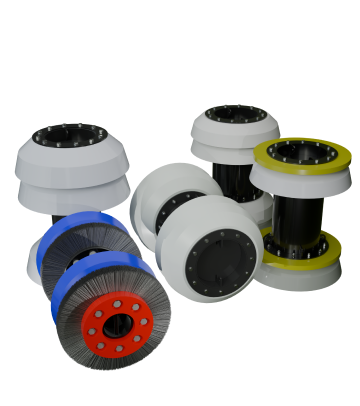
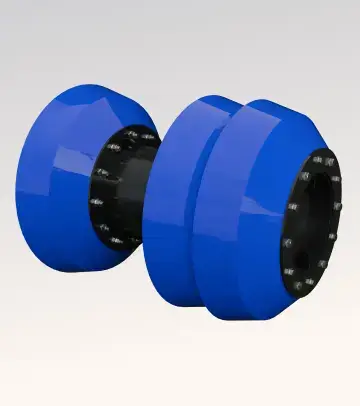
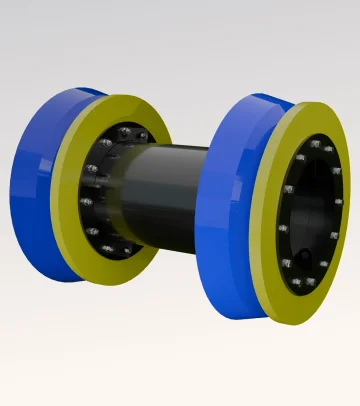
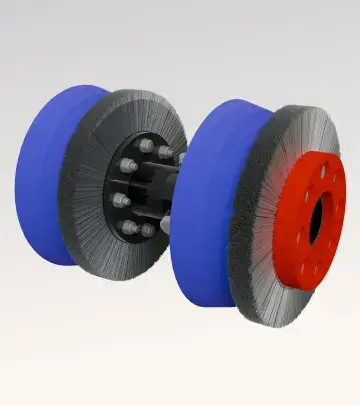
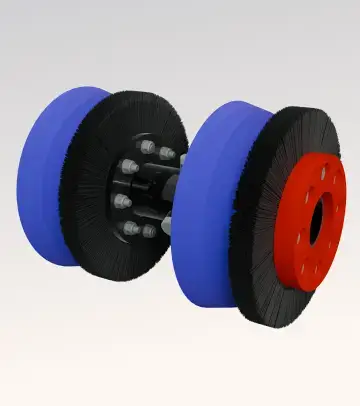
Cup pigs are pipeline maintenance tools used primarily for cleaning and product separation. They consist of one or more flexible cups, made from polyurethane, which provide a tight seal against the pipeline walls. This design enables them to move smoothly through the pipeline, pushing out debris and liquids while maintaining a strong, steady seal. Their versatility makes them popular in many pipeline cleaning and drying operations, though they are not suitable for every scenario.
Where Cup Pigs Are Used:
1. Pipeline Cleaning and Debris Removal: Cup pigs are highly effective for clearing debris, dirt, and solid deposits from pipelines. The tight seal formed by the cups creates strong pressure to push out foreign materials, making them ideal for general-purpose cleaning in oil, gas, and water pipelines.
p class=”fz-14 fw-400 lh_1_75 cb-46″> 2. Product Separation: In multi-product pipelines, cup pigs are commonly used to separate different fluids. Their strong sealing ability minimizes mixing between products, preserving product quality and reducing the need for additional processing.
3. Water and Liquid Removal: Cup pigs are also effective for removing liquids from pipelines. After hydrotesting or cleaning with water, cup pigs are used to push out residual water, helping to prevent corrosion and prepare the pipeline for gas or liquid transport.
4. Pipeline Drying: After water or hydrotesting operations, cup pigs help dry out the pipeline before resuming operation. Their tight seal enables them to push residual liquids out of the pipeline, making them especially useful in preparing natural gas pipelines for service.
5. Low-Pressure Pipelines: Cup pigs are well-suited for low-pressure pipelines, where their flexible design provides an effective seal without requiring high flow rates to maintain propulsion. They are widely used in pipelines transporting liquids or gases with lower pressuredemands.
Where Cup Pigs Are Not Suitable:
1. High-Pressure Pipelines: In pipelines operating under very high pressure, cup pigs may experience excessive stress, causing the cups to wear out prematurely. High-pressureconditions may also distort the cups, compromising their seal and making them less effective.
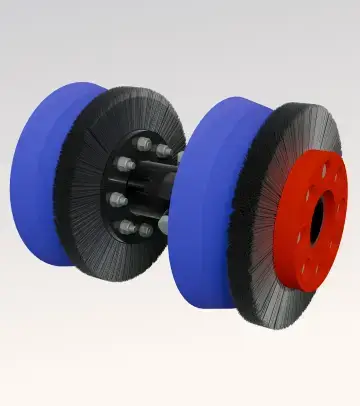
2. Pipelines with Heavy Deposits: While cup pigs are effective for lighter cleaning, they are not ideal for pipelines with heavy deposits of hard scale, rust, or other solid materials. In such cases, more aggressive cleaning pigs, such as brush or scraper pigs, are needed to
thoroughly dislodge and remove tough deposits.
3. Pipelines with Multi-Diameter Sections: Cup pigs are typically designed for pipelines with a consistent diameter. When used in multi-diameter systems, the cups may fail to maintain a proper seal in larger sections or could become lodged in narrower sections, limiting theireffectiveness.
4. Pipelines with Complex Geometries or Sharp Turns: Cup pigs are less suitable for pipelines with tight turns, T-sections, or complex layouts. The cups may struggle to maintain a tight seal around sharp bends or could become damaged when navigating such sections, causing them to lose effectiveness.
5. Pipelines with Internal Coatings or Sensitive Linings: In pipelines with sensitive internal coatings, such as polymer or epoxy linings, cup pigs can potentially damage or strip away these coatings due to the friction of the cups against the walls. This makes them less suitable for coated pipelines where maintaining the integrity of the internal surface is a priority. In Summary, Cup pigs are versatile, efficient tools for general pipeline cleaning, liquid removal, and product separation. They work best in low-pressure, straight-run pipelines with consistent diameters. However, they are less effective in high-pressure environments, heavily obstructed pipelines, and systems with complex geometries or sensitive internal coatings.