

Our Products
Pig Signalers
Pig Detection
Advanced Pig Detection Technologies: Ensuring Precise Pipeline Monitoring
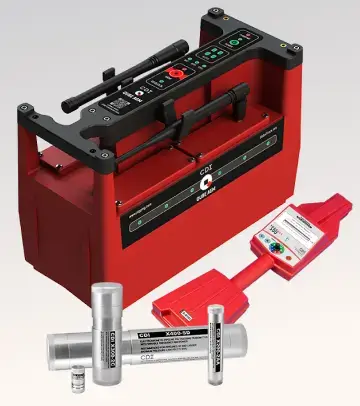
In the world of pipeline operations, accurately locating and tracking pigs—devices used for cleaning, inspection, or product separation—is critical for maintaining operational integrity and safety. Advanced pig locating technologies such as acoustic, electromagnetic, and non-intrusive detection systems offer precise, real-time tracking that ensures pigs perform their intended tasks without causing disruptions. Each method caters to specific pipeline conditions and requirements, enhancing the efficiency of pigging operations while preventing costly delays or damage.
Acoustic Pig Locating
Acoustic pig locating technology uses sound waves to track the pig’s movement through the pipeline. As the pig travels, it generates vibrations or noise, which are captured by sensors positioned along the pipeline. These signals are then analyzed to pinpoint the pig’s location.
How It Works: Acoustic sensors detect the unique sound patterns created by the pig’s passage. The system processes these audio signals, providing precise information about the pig’s position and movement within the pipeline.
Ideal Applications: Acoustic pig locating is particularly useful in environments where electromagnetic interference may pose a challenge, such as near power lines, industrial plants, or in urban areas. It is also well-suited for detecting foam or non-metallic pigs that don’t have built-in magnets.
Advantages: Acoustic locating is a non-intrusive method that works well in a variety of pipeline settings. Its ability to track pigs without relying on physical contact or complex modifications makes it an effective solution for pipelines transporting liquids, gases, or products where precision is critical.
Electromagnetic Pig Locating
Electromagnetic (EM) pig locating systems rely on detecting the electromagnetic fields generated by pigs equipped with conductive materials or embedded magnets. This method is highly effective for tracking steel-bodied, intelligent, or magnetic pigs as they move through the pipeline.
How It Works: EM sensors detect changes in the electromagnetic field as the pig passes by, enabling real-time tracking. Pigs with conductive or magnetic components generate measurable electromagnetic signals, which are picked up by strategically placed sensors along the pipeline route.
Ideal Applications: This technology is commonly used in oil and gas pipelines, where metallic or intelligent pigs are deployed for cleaning or inspection. It’s especially useful for tracking pigs over long distances, in buried pipelines, or in offshore installations where accessibility is limited.
Advantages: EM pig locating is highly accurate and versatile, making it suitable for both onshore and subsea applications. The system can track a wide range of pig types, from heavy-duty steel-bodied pigs to complex inspection pigs that gather critical pipeline data.
Non-Intrusive Pig Detectors
Non-intrusive pig detection systems offer a hands-off approach to pig locating, using sensors that detect the pig’s presence without requiring any physical modification to the pipeline. These systems are designed to identify changes in acoustics, pressure, or electromagnetic signals, all from outside the pipe itself.
How It Works: Non-intrusive detectors rely on external sensors that monitor the pig’s movement within the pipeline. These sensors detect pressure differentials, sound waves, orelectromagnetic signals as the pig moves past specific points, allowing for continuous tracking without opening the pipeline.
Ideal Applications: Non-intrusive detectors are ideal for high-pressure, hazardous, or buried pipelines where direct access to the pipeline interior is impractical or dangerous. They are often used in sensitive environments like subsea pipelines, where minimal disruption to the pipeline structure is necessary.
Advantages: The non-intrusive nature of these detectors means they can be installed and maintained with minimal interference to pipeline operations. They provide accurate real-time data on pig location, helping to reduce downtime and ensuring that pigs complete their tasks efficiently.
Why Accurate Pig Locating Matters
Avoid Pig Loss: Accurate tracking systems help prevent pigs from becoming stuck or lost within the pipeline, avoiding costly recovery operations and potential damage.
Real-Time Monitoring: These technologies enable operators to monitor the pig’s progress in real time, ensuring that cleaning, dewatering, or inspection tasks are completed effectively.
Enhanced Pipeline Integrity: For intelligent pigs that gather data about pipeline conditions, precise locating ensures that operators can correlate any detected anomalies, such as corrosion or defects, to the exact location in the pipeline.
Choosing the Right Pig Locating Technology
When selecting a pig locating method, it’s essential to consider the type of pig being used, the
pipeline’s operating conditions, and the specific goals of the pigging operation. Whether using acoustic detection for non-magnetic foam pigs, electromagnetic systems for steel pigs, or non-intrusive detectors for sensitive pipelines, having the right locating technology ensures a smooth, efficient, and safe pigging operation.
Contact us today to learn more about how our advanced pig locating technologies can improve the
safety and efficiency of your pipeline operations!